From AI Brains to Quantum Bricks: What’s Moving Across Frontier Tech Right Now

From AI Brains to Quantum Bricks: What’s Moving Across Frontier Tech Right Now

From AI Brains to Quantum Bricks: What’s Moving Across Frontier Tech Right Now

From AI Brains to Quantum Bricks: What’s Moving Across Frontier Tech Right Now

From AI Brains to Quantum Bricks: What’s Moving Across Frontier Tech Right Now

From AI Brains to Quantum Bricks: What’s Moving Across Frontier Tech Right Now

From AI Brains to Quantum Bricks: What’s Moving Across Frontier Tech Right Now

From AI Brains to Quantum Bricks: What’s Moving Across Frontier Tech Right Now

2025年12月9日

Han Qin

PsiQuantum and the Photonic Path to a Million-Qubit Future | Jarsy

PsiQuantum and the Photonic Path to a Million-Qubit Future | Jarsy

PsiQuantum is pursuing a photonic approach to building a fault-tolerant, million-qubit quantum computer—an engineering-first strategy powered by semiconductor manufacturing. This deep dive explores how photonics works, why scalability matters, and what sets PsiQuantum apart in the quantum race.

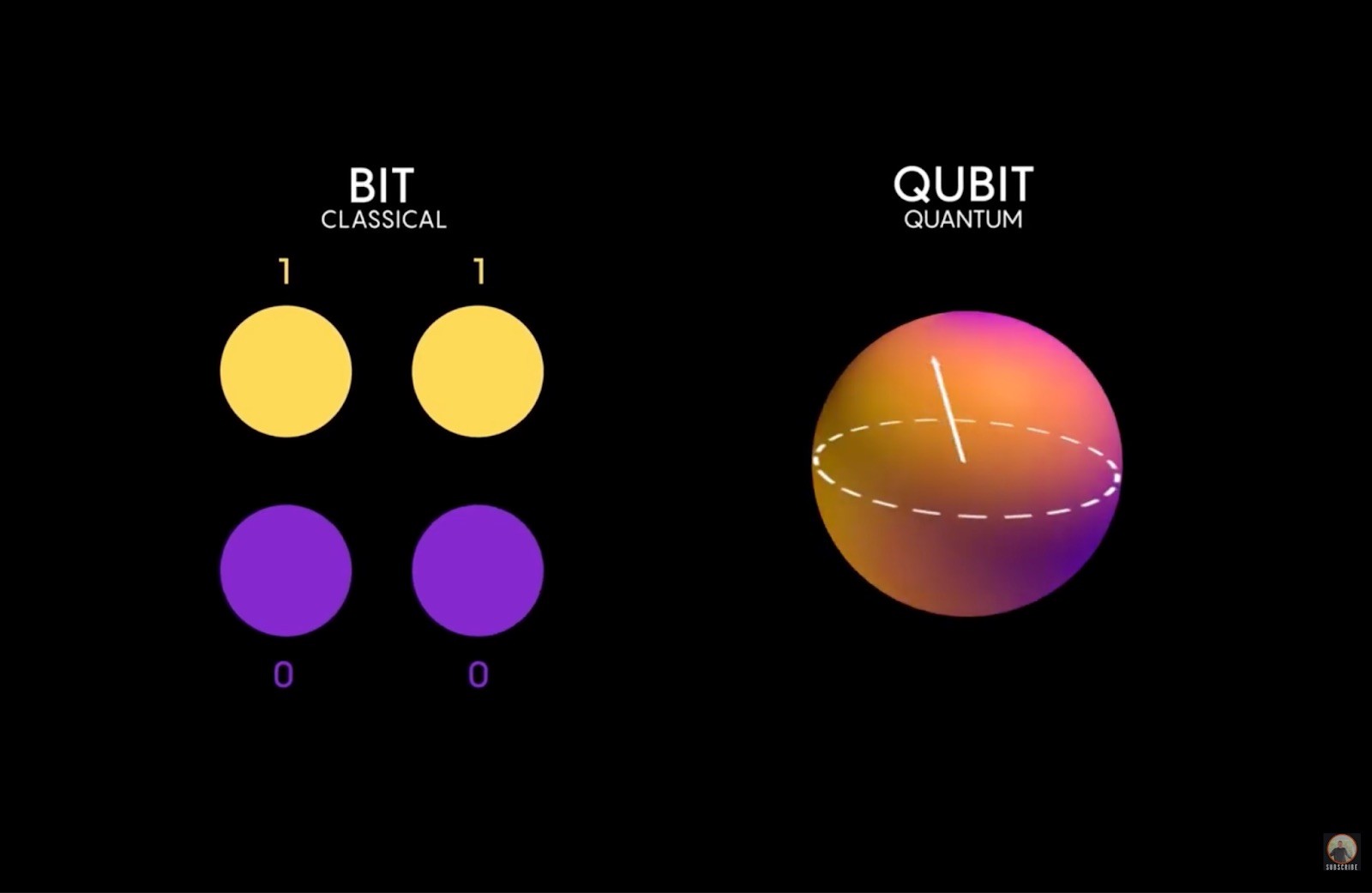
bit and qubit
bit and qubit

Quantum computing once felt like pure science fiction: machines that could explore vast possibilities all at once. Today, it’s becoming real. Governments, tech giants, and investors are pouring billions into the race to build the first truly useful quantum computer.

Some major players, like IBM and Google, are backing superconducting circuits, while IonQ and Quantinuum focus on trapped ions. But one Silicon Valley contender, PsiQuantum, is taking a different path. In September 2025, the company closed a US$1 billion Series E round at a US$7 billion valuation, backed by BlackRock, Temasek, Baillie Gifford, and new investors including NVIDIA’s NVentures.

These investors see PsiQuantum’s photonic approach as the most scalable route to a fault-tolerant, million-qubit quantum computer. By manufacturing quantum chips in standard semiconductor fabs and treating quantum hardware as an engineering and production challenge, PsiQuantum aims to deliver a utility-scale machine that many believe will define the next era of computation.

A Brief History

The origins of quantum computing can be traced back to the early 20th century when several groundbreaking discoveries in the field of quantum mechanics laid the foundation for this novel approach to computation. Key scientists, such as Max Planck, Albert Einstein, and Niels Bohr, contributed to the development of quantum mechanics, which would later provide the principles for quantum computing.
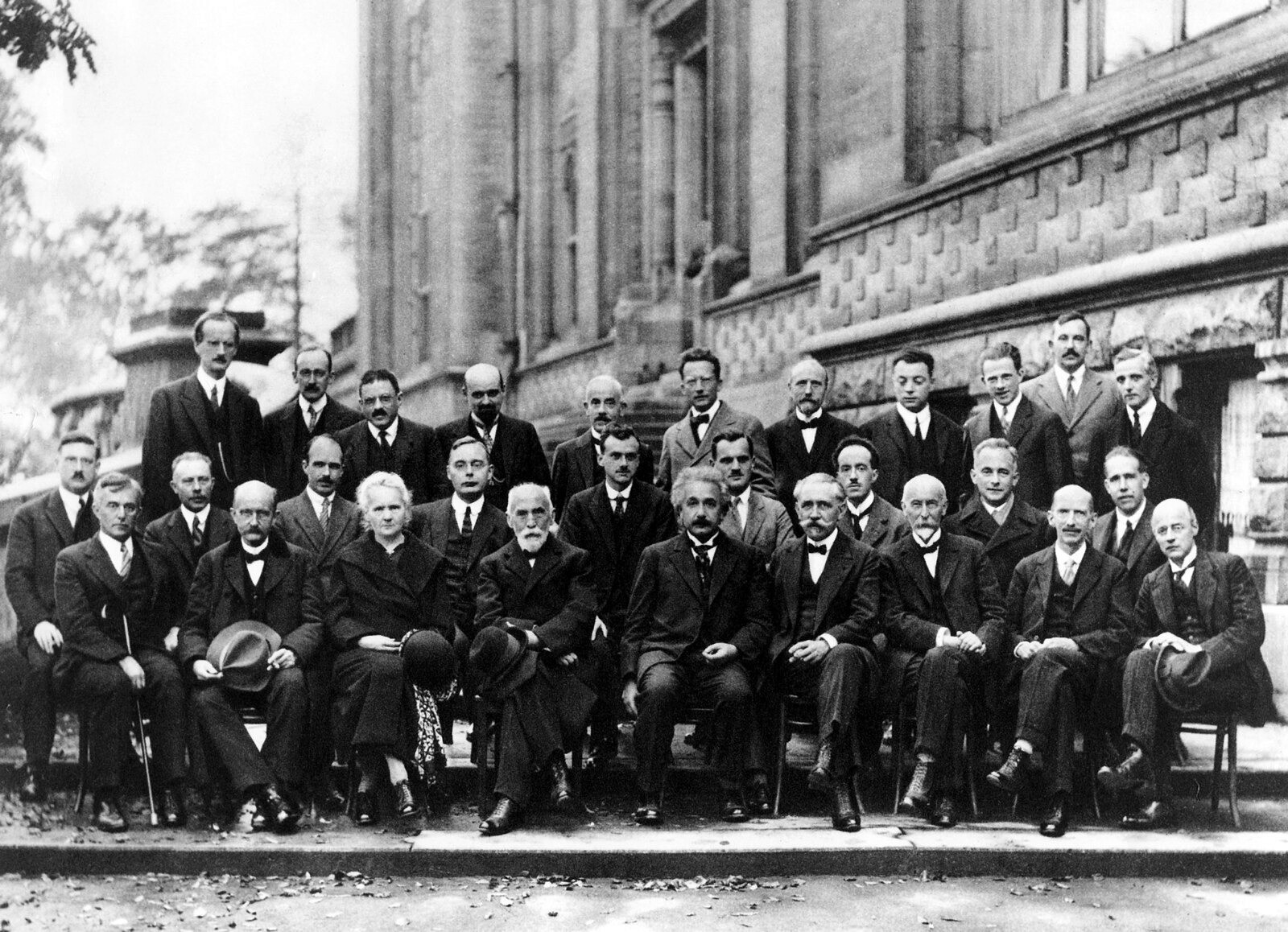

a group of scientists

The fifth Solvay Conference in 1927. Photo Credit: Wikipedia.org

The ideas of quantum computers began in the 1980s, when physicist Richard Feynman showed that classical computers struggle to simulate quantum systems, suggesting that nature itself “computes” in a quantum way. In 1985, David Deutsch formalized the concept of a universal quantum computer, describing how quantum bits (qubits) could perform computations impossible for classical machines. 
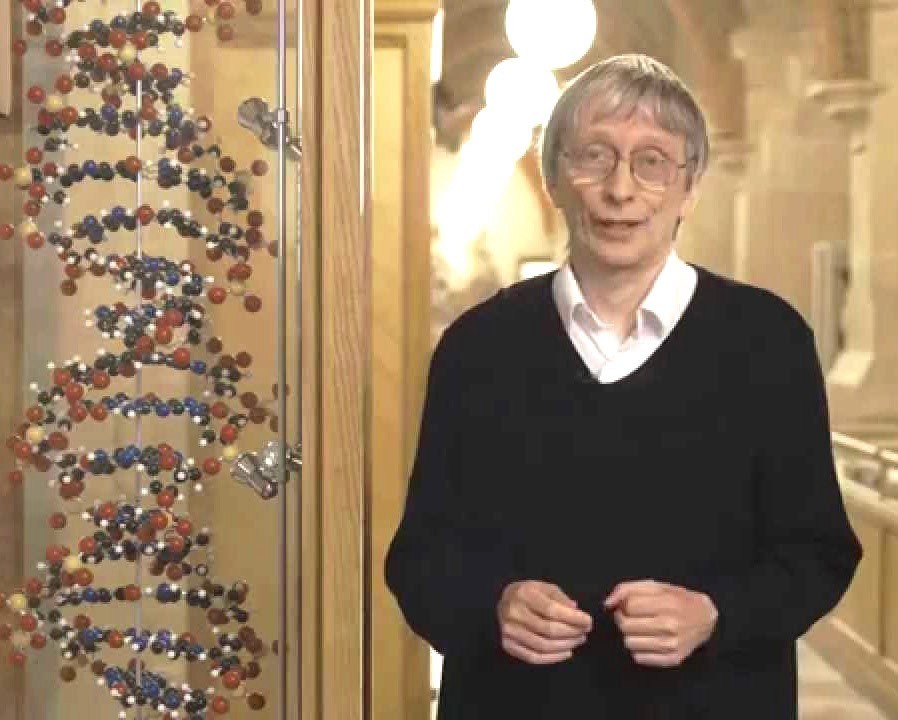

David Elieser Deutsch

David Elieser Deutsch, often described as "father of quantum computing" 

(Photo Credit: Wikipedia)

The field accelerated in 1994, when Peter Shor introduced an algorithm that could factor large numbers exponentially faster than classical machines, proving the extraordinary computational power of quantum mechanics. This led to the development of quantum error correction, which showed that reliable quantum computation was theoretically achievable despite noise. In 1996, Lov Grover introduced his famous Grover’s algorithm, which speeds up unstructured search from O(N) to O(√N​), providing one of the most widely applicable quantum advantages. These breakthroughs transformed quantum computing from a theoretical idea into a credible scientific and technological discipline.

How does Quantum Computer Work? What’s Qubit?

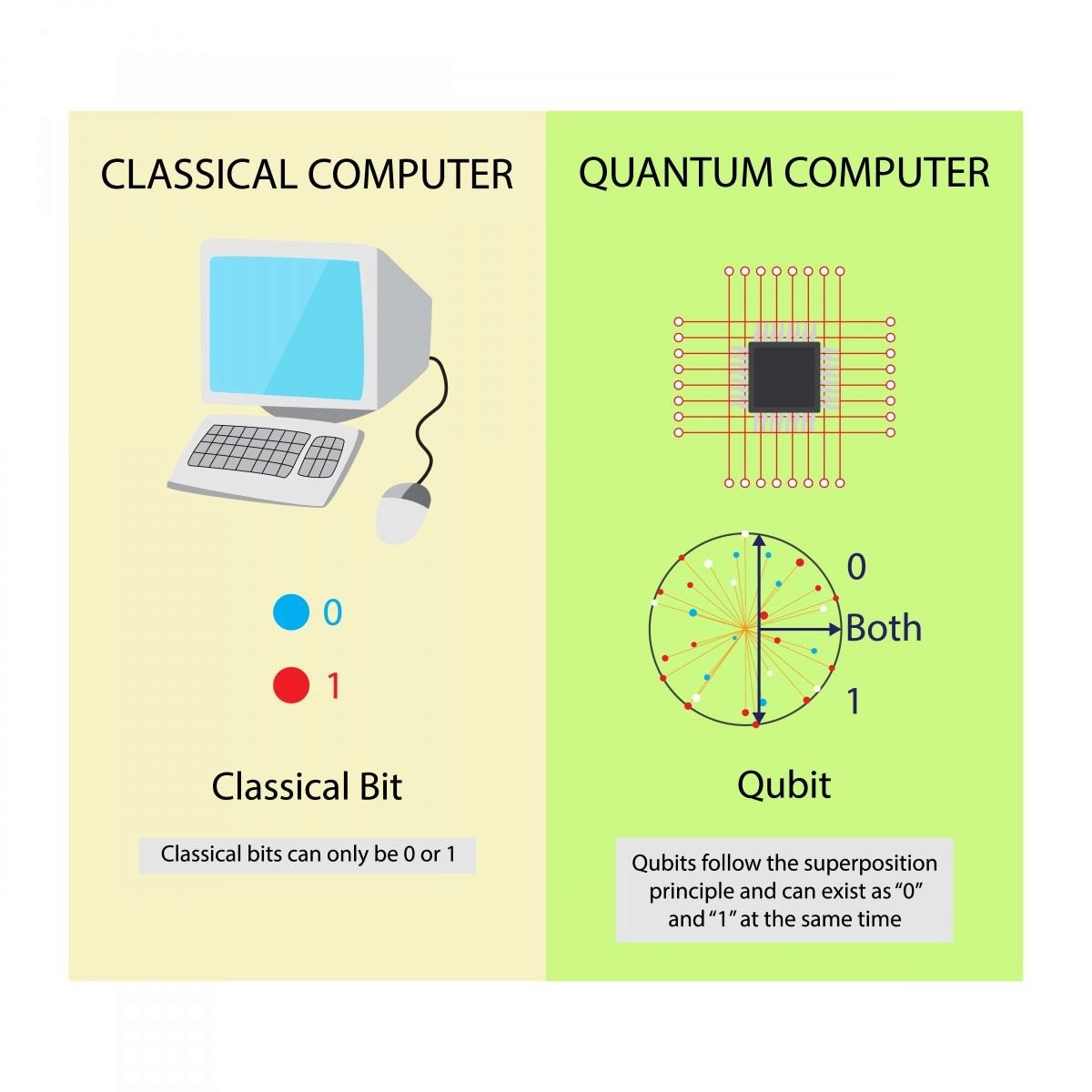
The fundamental unit of quantum information is the qubit (quantum bit).

  • Classical Computers use Bits: A light switch is either On (1) or Off (0).

  • Quantum Computers use Qubits: Due to a principle called Superposition, a qubit can be in a state of 1 and 0 simultaneously. Think of a coin spinning in the air; it is both heads and tails until it is observed.

  • A key difference is Scaling:

    • Classical: 

      • 1 bit = 1 state

      • 100 transistors = 100 bits

    • Quantum:

      • 1 qubit = 2 states

      • 2 qubits = 4 states

      • 10 qubits = 1,024 states

      • 50 qubits ≈ 1 quadrillion states simultaneously

      • 1,000,000 qubits (PsiQuantum’s goal) = astronomical computational space

CLASSICAL COMPUTER QUANTUM COMPUTERComputational time

Photo Credit:berkeleynucleonics, researchgate.net

Key Quantum Features That Enable Quantum Computing


Key Quantum Features That Enable Quantum Computing

Quantum Features. Photo Credit: researchgate.net

Superposition allows a qubit to exist in a blend of multiple states simultaneously, rather than being strictly 0 or 1 like a classical bit. This means a quantum computer can represent and process many possible configurations at once. Superposition provides the massive parallelism that gives quantum computing its potential power.

Interference lets quantum states reinforce or cancel one another, like overlapping waves. Quantum algorithms use this to amplify correct answers and suppress incorrect ones.

Entanglement links qubits so that the state of one instantly relates to the state of another, even at a distance. This creates powerful correlations that enable multi-qubit operations and large-scale quantum processing.

Quantum Computing Approaches

There are a couple of approaches in the field of quantum computing, among them the main ones are as follows: 

approaches in the field of quantum computing

Copyright © Jarsy Research

PsiQuantum’s Advantage

Now, let's explore the strategy of PsiQuantum, the company that is deliberately forging a path outside the two established camps. PsiQuantum's "secret sauce" is Silicon Photonics, where optical components are integrated onto silicon chips using high-volume, standard manufacturing processes.


PsiQuantum’s AdvantagePsiQuantum

Photo Credits: PsiQuantum

Complementary Metal-Oxide-Semiconductor (CMOS) Manufacturing: PsiQuantum chips are printed in standard 300mm semiconductor foundries (like GlobalFoundries). This leverages the reliability and precision of a trillion-dollar industry that already manufactures billions of chips annually.

Room to Scale: This approach is inherently scalable. PsiQuantum is designed to print millions of qubits per wafer, addressing the biggest bottleneck in the industry: scaling past 100 or 1,000 qubits.

Robust Networking: Unlike the fragile connections required by other methods, photonic chips can be networked using standard, low-loss optical fiber, simplifying the connection of thousands of chips into a single, massive machine.

PsiQuantum’ Trillion-Dollar Use Cases – Fault Tolerance (FTQC)

The computers available today are Noisy Intermediate-Scale Quantum (NISQ) devices. Their high error rate limits them to experimental proof-of-concept.

PsiQuantum is skipping the NISQ era entirely to focus on a Fault-Tolerant Quantum Computer (FTQC).

  • The Necessity of FTQC: Error correction requires hundreds, sometimes thousands, of unreliable physical qubits to create a single stable, "logical" qubit. This means commercial utility demands systems with millions of physical qubits.

  • The Difference: An FTQC is the difference between a prototype that works half the time and a reliable, commercial product that can run complex algorithms for hours without crashing. PsiQuantum’s manufacturing-first model is designed to deliver this sheer scale.

If PsiQuantum successfully delivers an FTQC, the economic returns will be enormous. McKinsey estimates the market could unlock up to $2 trillion in value across four major sectors by 2035.

The Quantum Solution

Copyright © Jarsy Research

Quantum computing is transitioning from scientific curiosity to an engineering challenge, and the race now centers on which approach can truly scale. PsiQuantum’s photonic strategy stands out because it leverages the existing semiconductor manufacturing ecosystem, turning quantum computing into something that can be built, replicated, and eventually deployed at industrial scale. There’s still a long way to go, but momentum is accelerating. Whether photons ultimately win or not, PsiQuantum has reshaped the conversation about what it will take to build a practical, fault-tolerant quantum computer. The next few years will be pivotal.

Further reading: Core Memory Video on PsiQuantum, Pete Shadbolt at Chicago Quantum Summit, A Beginner’s Guide to Quantum Computing, 3Brown1Blue on Quantum Computing

Quantum computing once felt like pure science fiction: machines that could explore vast possibilities all at once. Today, it’s becoming real. Governments, tech giants, and investors are pouring billions into the race to build the first truly useful quantum computer.

Some major players, like IBM and Google, are backing superconducting circuits, while IonQ and Quantinuum focus on trapped ions. But one Silicon Valley contender, PsiQuantum, is taking a different path. In September 2025, the company closed a US$1 billion Series E round at a US$7 billion valuation, backed by BlackRock, Temasek, Baillie Gifford, and new investors including NVIDIA’s NVentures.

These investors see PsiQuantum’s photonic approach as the most scalable route to a fault-tolerant, million-qubit quantum computer. By manufacturing quantum chips in standard semiconductor fabs and treating quantum hardware as an engineering and production challenge, PsiQuantum aims to deliver a utility-scale machine that many believe will define the next era of computation.

A Brief History

The origins of quantum computing can be traced back to the early 20th century when several groundbreaking discoveries in the field of quantum mechanics laid the foundation for this novel approach to computation. Key scientists, such as Max Planck, Albert Einstein, and Niels Bohr, contributed to the development of quantum mechanics, which would later provide the principles for quantum computing.


a group of scientists

The fifth Solvay Conference in 1927. Photo Credit: Wikipedia.org

The ideas of quantum computers began in the 1980s, when physicist Richard Feynman showed that classical computers struggle to simulate quantum systems, suggesting that nature itself “computes” in a quantum way. In 1985, David Deutsch formalized the concept of a universal quantum computer, describing how quantum bits (qubits) could perform computations impossible for classical machines. 


David Elieser Deutsch

David Elieser Deutsch, often described as "father of quantum computing" 

(Photo Credit: Wikipedia)

The field accelerated in 1994, when Peter Shor introduced an algorithm that could factor large numbers exponentially faster than classical machines, proving the extraordinary computational power of quantum mechanics. This led to the development of quantum error correction, which showed that reliable quantum computation was theoretically achievable despite noise. In 1996, Lov Grover introduced his famous Grover’s algorithm, which speeds up unstructured search from O(N) to O(√N​), providing one of the most widely applicable quantum advantages. These breakthroughs transformed quantum computing from a theoretical idea into a credible scientific and technological discipline.

How does Quantum Computer Work? What’s Qubit?

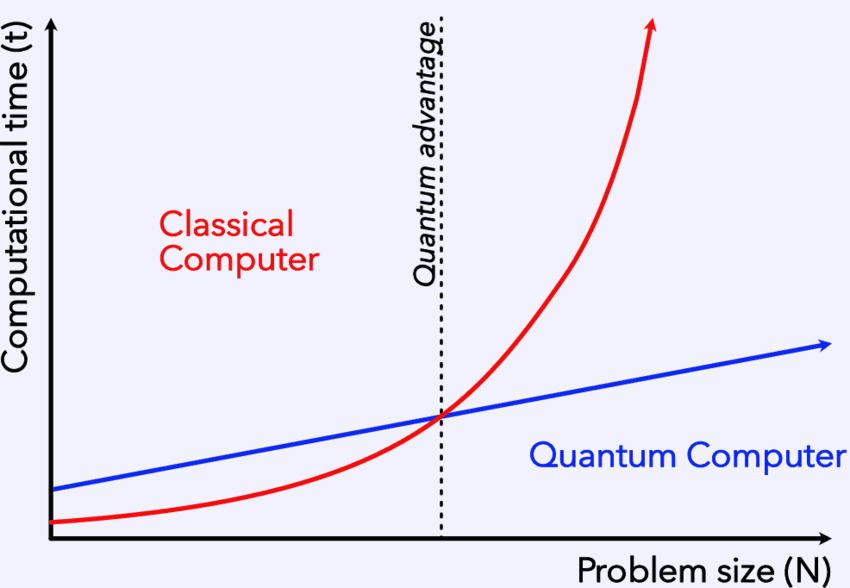
The fundamental unit of quantum information is the qubit (quantum bit).

  • Classical Computers use Bits: A light switch is either On (1) or Off (0).

  • Quantum Computers use Qubits: Due to a principle called Superposition, a qubit can be in a state of 1 and 0 simultaneously. Think of a coin spinning in the air; it is both heads and tails until it is observed.

  • A key difference is Scaling:

    • Classical: 

      • 1 bit = 1 state

      • 100 transistors = 100 bits

    • Quantum:

      • 1 qubit = 2 states

      • 2 qubits = 4 states

      • 10 qubits = 1,024 states

      • 50 qubits ≈ 1 quadrillion states simultaneously

      • 1,000,000 qubits (PsiQuantum’s goal) = astronomical computational space

CLASSICAL COMPUTER QUANTUM COMPUTERComputational time

Photo Credit:berkeleynucleonics, researchgate.net

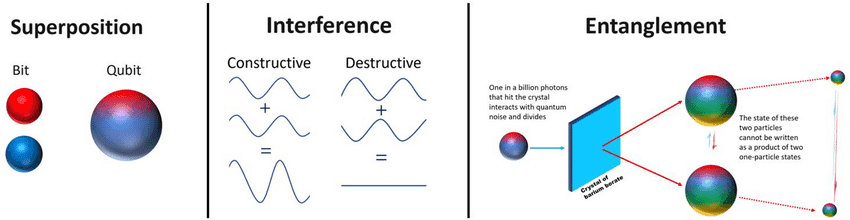
Key Quantum Features That Enable Quantum Computing

Key Quantum Features That Enable Quantum Computing

Quantum Features. Photo Credit: researchgate.net

Superposition allows a qubit to exist in a blend of multiple states simultaneously, rather than being strictly 0 or 1 like a classical bit. This means a quantum computer can represent and process many possible configurations at once. Superposition provides the massive parallelism that gives quantum computing its potential power.

Interference lets quantum states reinforce or cancel one another, like overlapping waves. Quantum algorithms use this to amplify correct answers and suppress incorrect ones.

Entanglement links qubits so that the state of one instantly relates to the state of another, even at a distance. This creates powerful correlations that enable multi-qubit operations and large-scale quantum processing.

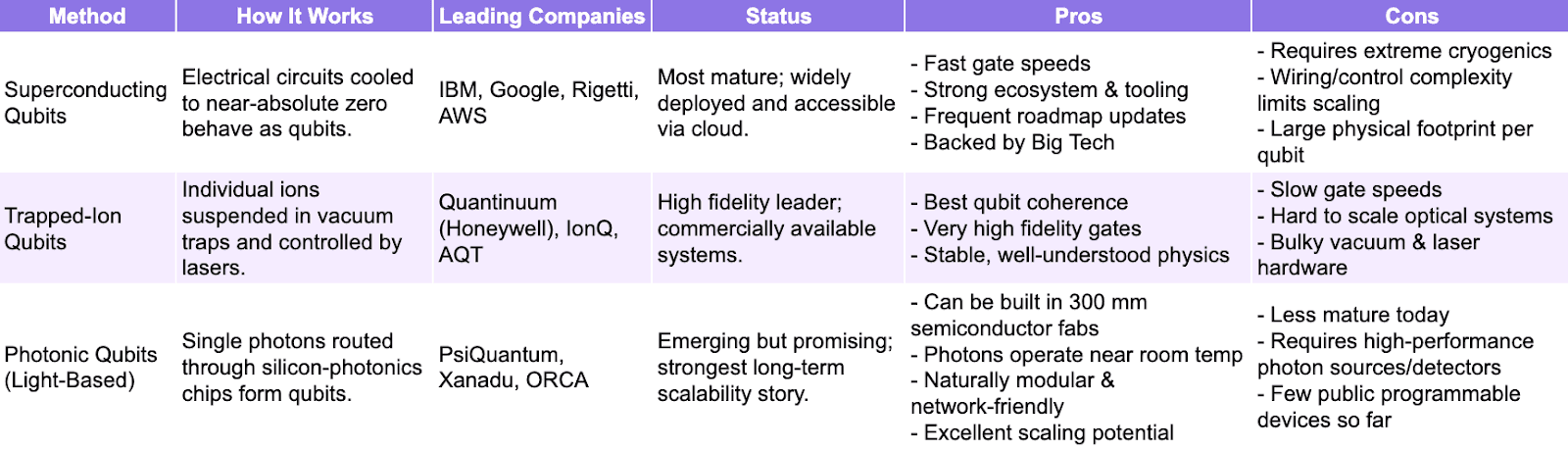
Quantum Computing Approaches

There are a couple of approaches in the field of quantum computing, among them the main ones are as follows: 
approaches in the field of quantum computing

Copyright © Jarsy Research

PsiQuantum’s Advantage

Now, let's explore the strategy of PsiQuantum, the company that is deliberately forging a path outside the two established camps. PsiQuantum's "secret sauce" is Silicon Photonics, where optical components are integrated onto silicon chips using high-volume, standard manufacturing processes.
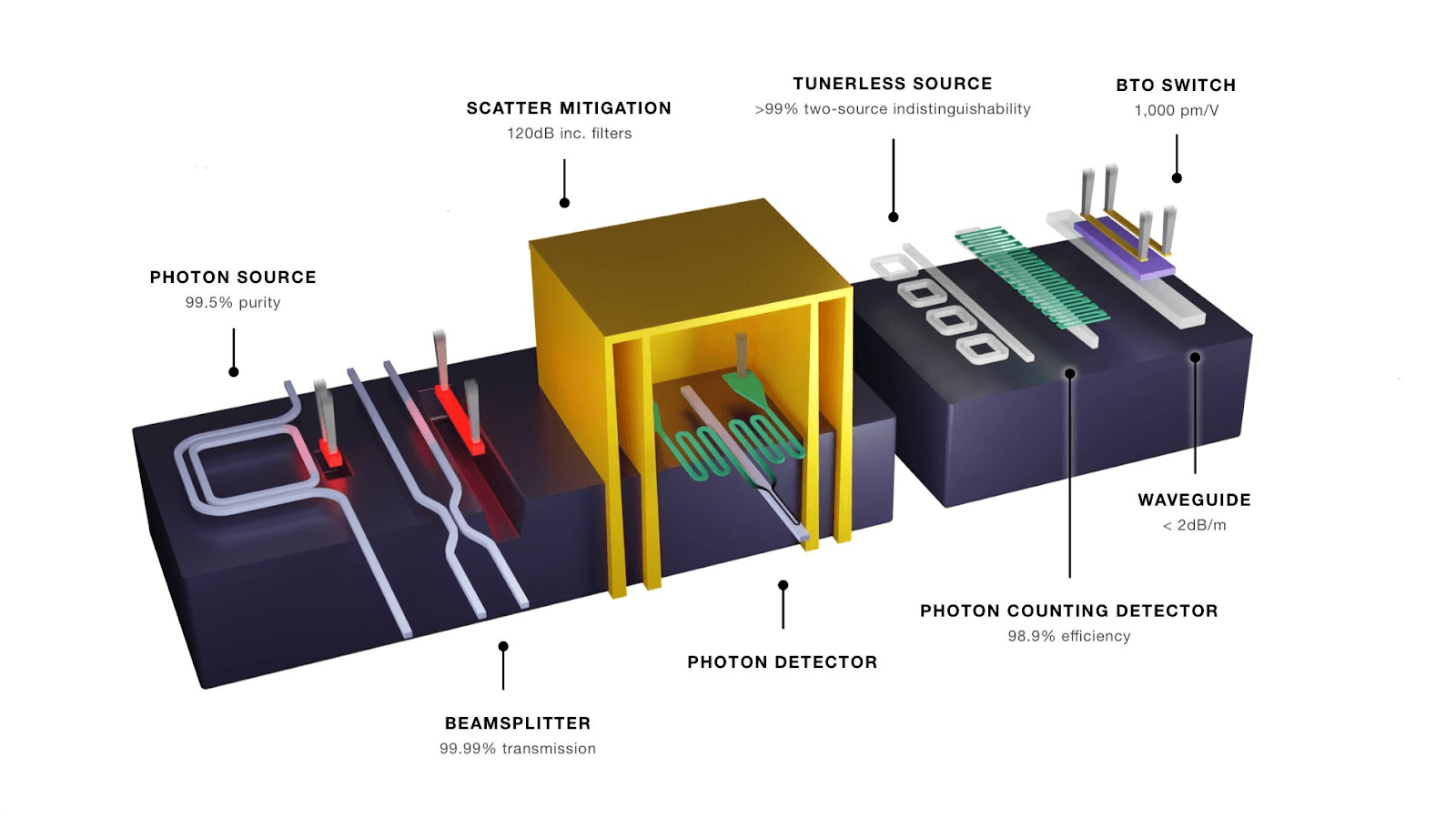
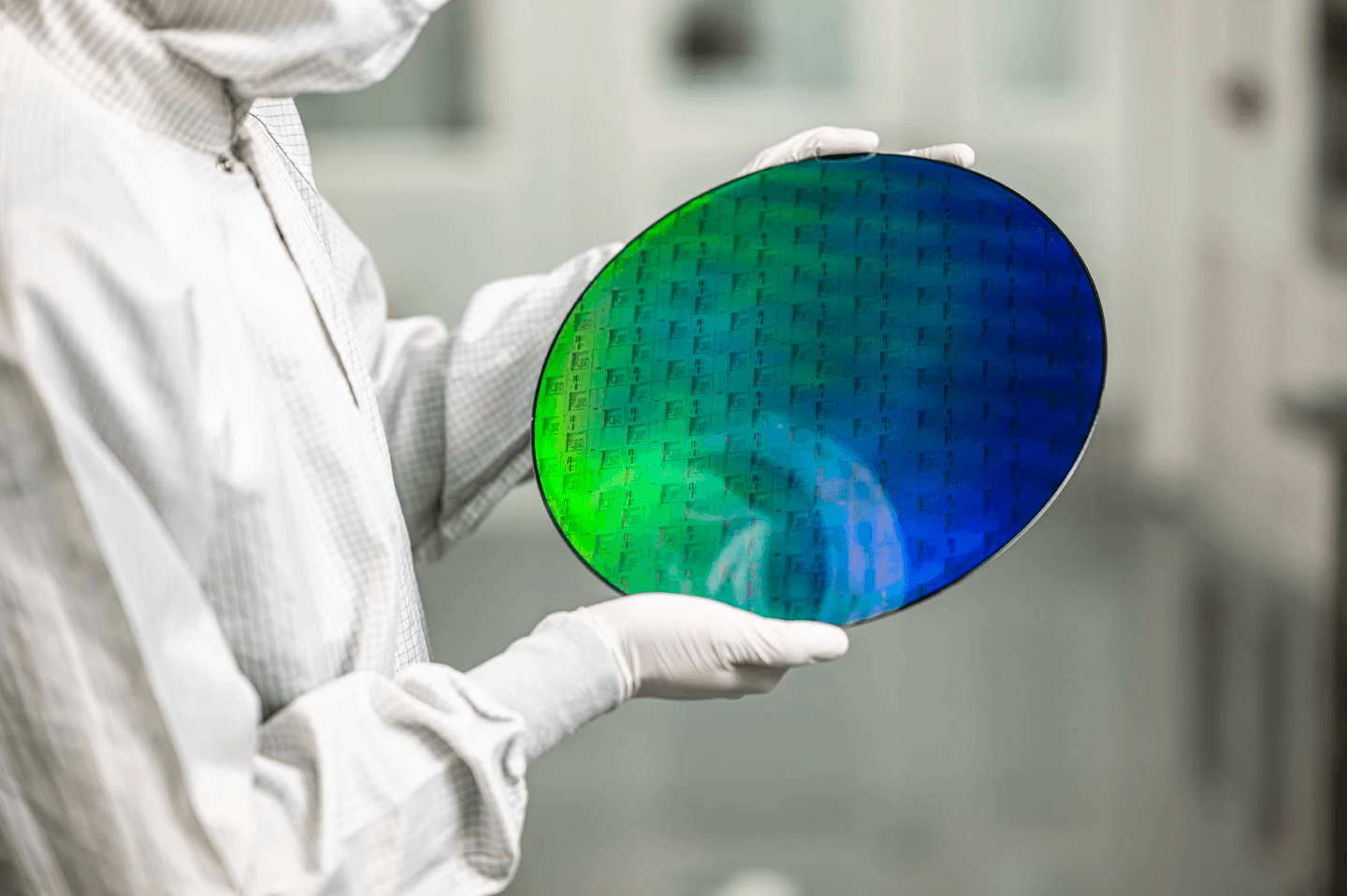
PsiQuantum’s AdvantagePsiQuantum

Photo Credits: PsiQuantum

Complementary Metal-Oxide-Semiconductor (CMOS) Manufacturing: PsiQuantum chips are printed in standard 300mm semiconductor foundries (like GlobalFoundries). This leverages the reliability and precision of a trillion-dollar industry that already manufactures billions of chips annually.

Room to Scale: This approach is inherently scalable. PsiQuantum is designed to print millions of qubits per wafer, addressing the biggest bottleneck in the industry: scaling past 100 or 1,000 qubits.

Robust Networking: Unlike the fragile connections required by other methods, photonic chips can be networked using standard, low-loss optical fiber, simplifying the connection of thousands of chips into a single, massive machine.

PsiQuantum’ Trillion-Dollar Use Cases – Fault Tolerance (FTQC)

The computers available today are Noisy Intermediate-Scale Quantum (NISQ) devices. Their high error rate limits them to experimental proof-of-concept.

PsiQuantum is skipping the NISQ era entirely to focus on a Fault-Tolerant Quantum Computer (FTQC).

  • The Necessity of FTQC: Error correction requires hundreds, sometimes thousands, of unreliable physical qubits to create a single stable, "logical" qubit. This means commercial utility demands systems with millions of physical qubits.

  • The Difference: An FTQC is the difference between a prototype that works half the time and a reliable, commercial product that can run complex algorithms for hours without crashing. PsiQuantum’s manufacturing-first model is designed to deliver this sheer scale.

If PsiQuantum successfully delivers an FTQC, the economic returns will be enormous. McKinsey estimates the market could unlock up to $2 trillion in value across four major sectors by 2035.
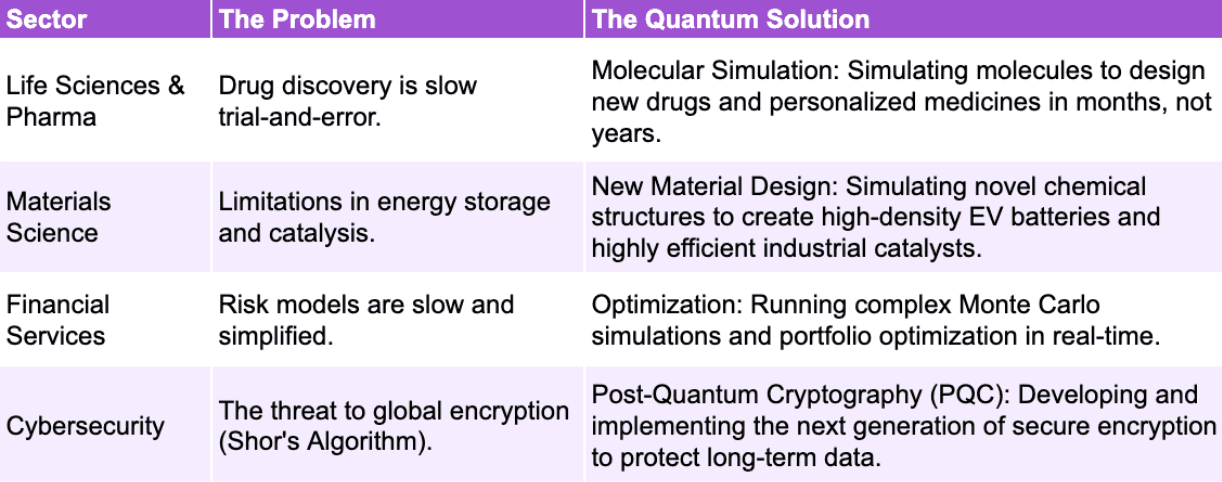
The Quantum Solution

Copyright © Jarsy Research

Quantum computing is transitioning from scientific curiosity to an engineering challenge, and the race now centers on which approach can truly scale. PsiQuantum’s photonic strategy stands out because it leverages the existing semiconductor manufacturing ecosystem, turning quantum computing into something that can be built, replicated, and eventually deployed at industrial scale. There’s still a long way to go, but momentum is accelerating. Whether photons ultimately win or not, PsiQuantum has reshaped the conversation about what it will take to build a practical, fault-tolerant quantum computer. The next few years will be pivotal.

Further reading: Core Memory Video on PsiQuantum, Pete Shadbolt at Chicago Quantum Summit, A Beginner’s Guide to Quantum Computing, 3Brown1Blue on Quantum Computing

Subscribe to our newsletter

Email

Subscribe to our newsletter

Email

Recommended articles

开始投资

Jarsy Inc. 版权所有。

© 2024

本门户由 Jarsy, Inc.("Jarsy")运营,Jarsy 并不是注册的经纪-交易商或投资顾问。Jarsy 不提供关于本门户上显示的任何资产的投资建议、认可或推荐。本门户上的任何内容均不应被视为出售的要约、购买要约的请求或就证券的推荐。您有责任根据您的个人投资目标、财务状况和风险承受能力,确定任何投资、投资策略或相关交易是否适合您。您应咨询持牌法律专业人士和投资顾问,以获得任何法律、税务、保险或投资建议。Jarsy 不保证本网站上发布的任何投资机会的投资表现、结果或资本回报。通过访问本门户和其中的任何页面,您同意受门户为您提供的条款和政策的约束。在投资中涉及风险,并可能导致部分或全部损失。通过访问本网站,投资者理解并承认 1)投资一般而言,无论是在私募股权、股票市场还是房地产,都是有风险和不可预测的; 2)市场有其波动; 3)您所参与的投资可能不会产生正现金流或如您所期望的那样表现; 4)您投资的任何资产的价值可能随时下降,未来价值不可预测。在做出投资决策之前,建议潜在投资者查看所有可用信息并与他们的税务和法律顾问咨询。Jarsy 不提供关于本门户上发布的任何要约的投资建议或推荐。本文件中的任何与投资相关的信息均来自 Jarsy 认为可靠的来源,但我们对此类信息的准确性或完整性不作任何声明或保证,并因此不承担任何责任。链接到第三方网站或复制第三方文章并不构成 Jarsy 对所链接或复制内容的批准或认可。

本门户由 Jarsy, Inc.("Jarsy")运营,Jarsy 并不是注册的经纪-交易商或投资顾问。Jarsy 不提供关于本门户上显示的任何资产的投资建议、认可或推荐。本门户上的任何内容均不应被视为出售的要约、购买要约的请求或就证券的推荐。您有责任根据您的个人投资目标、财务状况和风险承受能力,确定任何投资、投资策略或相关交易是否适合您。您应咨询持牌法律专业人士和投资顾问,以获得任何法律、税务、保险或投资建议。Jarsy 不保证本网站上发布的任何投资机会的投资表现、结果或资本回报。通过访问本门户和其中的任何页面,您同意受门户为您提供的条款和政策的约束。在投资中涉及风险,并可能导致部分或全部损失。通过访问本网站,投资者理解并承认 1)投资一般而言,无论是在私募股权、股票市场还是房地产,都是有风险和不可预测的; 2)市场有其波动; 3)您所参与的投资可能不会产生正现金流或如您所期望的那样表现; 4)您投资的任何资产的价值可能随时下降,未来价值不可预测。在做出投资决策之前,建议潜在投资者查看所有可用信息并与他们的税务和法律顾问咨询。Jarsy 不提供关于本门户上发布的任何要约的投资建议或推荐。本文件中的任何与投资相关的信息均来自 Jarsy 认为可靠的来源,但我们对此类信息的准确性或完整性不作任何声明或保证,并因此不承担任何责任。链接到第三方网站或复制第三方文章并不构成 Jarsy 对所链接或复制内容的批准或认可。

开始投资

Jarsy Inc. 版权所有。

© 2024